



Dive into chaotic, procedurally generated dimensions with your friends and collect artifacts for the galleries. Expect unpredictable gravity, deadly plants, and absurd anomalies. And if something happens to you, someone else will take the next shift.
Genre: Co-op Adventure, Exploration, Puzzle, Platformer
Engine: Unity
Studio: Maracas Studio
Duration: 4 months
Period: may - august 2025










Context


My roles

In August 2025, I completed my 4 month internship at Maracas Studio, a small indie studio based in Belgium. I had the opportunity to contribute to their first game, Fish Stick Protocol.
Fish Stick Protocol is a lethal-company-like co-op game in which group of friends must explore procedurally generated dimensions to find artifacts, while avoiding the fauna and flora that inhabit them.
My main role was Level Design. I was responsible for creating several procedurally generated structures within the different dimensions. These structures featured co-op, puzzle, and platforming elements. My secondary responsibilities included Game Design, where I documented mechanics; UI Design, where I created mockups; and QA, where I researched for bugs.
Screenshots


My Roles
Level Design


Points of Interest
My main Level Design task was to create several Points of Interest (POIs) that would spawn procedurally within the dimensions.
I created 6 types of POIs (Columns, Totems, Stairs, Towers, Ruins, and Floating Islands) in 3 sizes (Small, Medium, and Large). Each POI type was divided into several variants.


Columns
Totems
Stairs
Size: Small
v1 : Messy Columns
v2 : Small Columns
v3 : No-Jump Columns
Floating Islands
Towers
Ruins
Size: Medium
v1 : Big Totem
v2 : Small Totem
v3 : Slope Totem
Size: Medium
v1 : Stairs U
v2 : Stairs S
Size: Large
v1 : Stairs Tower
v2 : Low Gravity Tower
v3 : Floating Head Tower
Size: Large
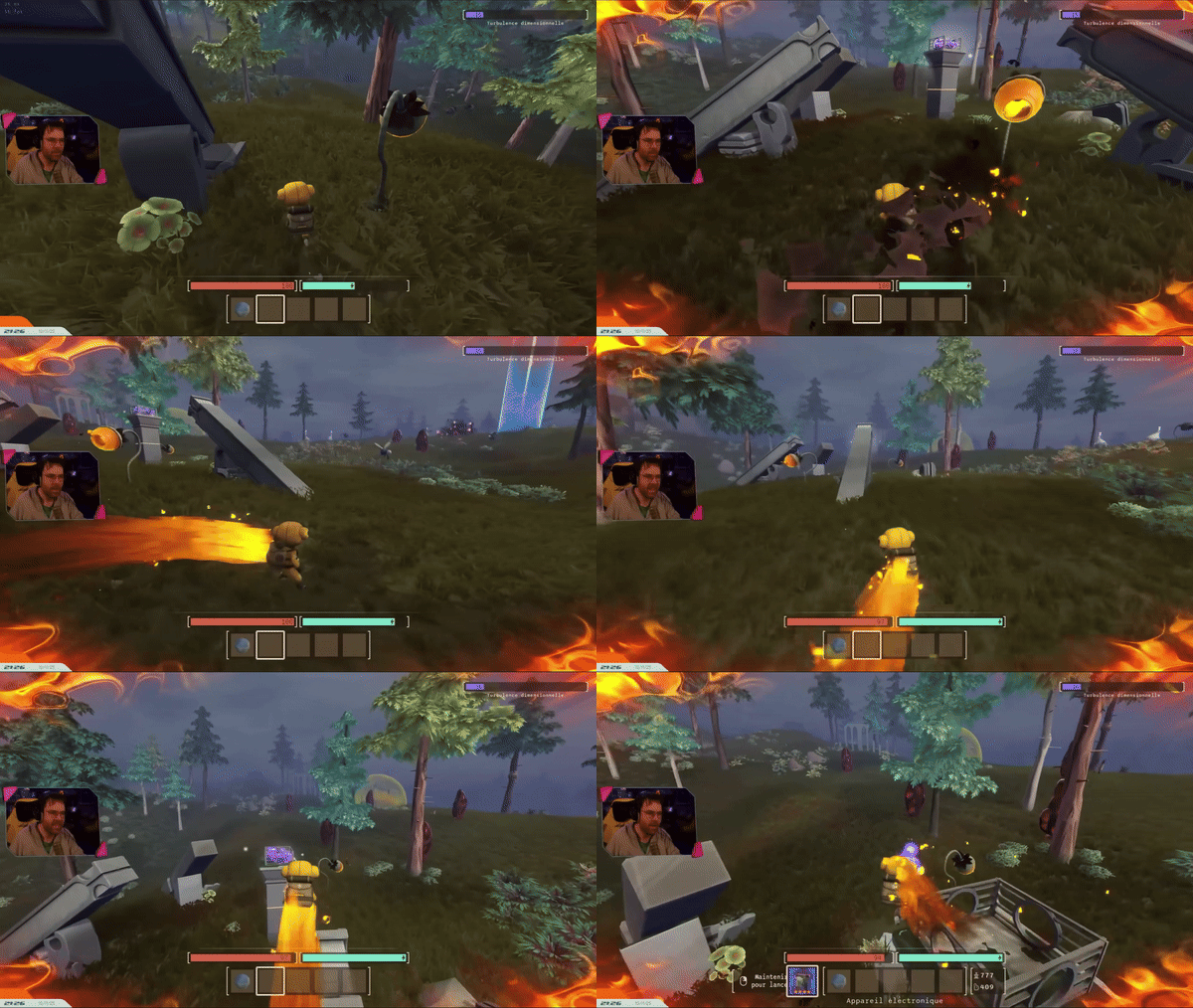
v1 : Fire Boost Ruin
v2 : Low Gravity Ruin
v3 : Floating Head Ruin
Size: Large
v1 : Floating Islands Ruin
v2 : Floating Islands Plate
v3 : Floating Islands Tower
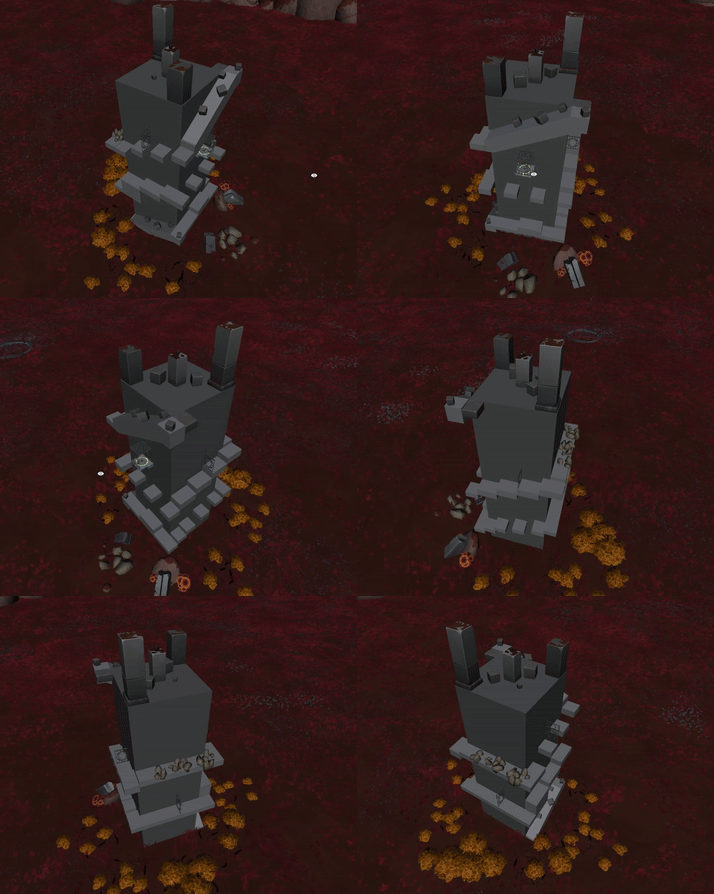
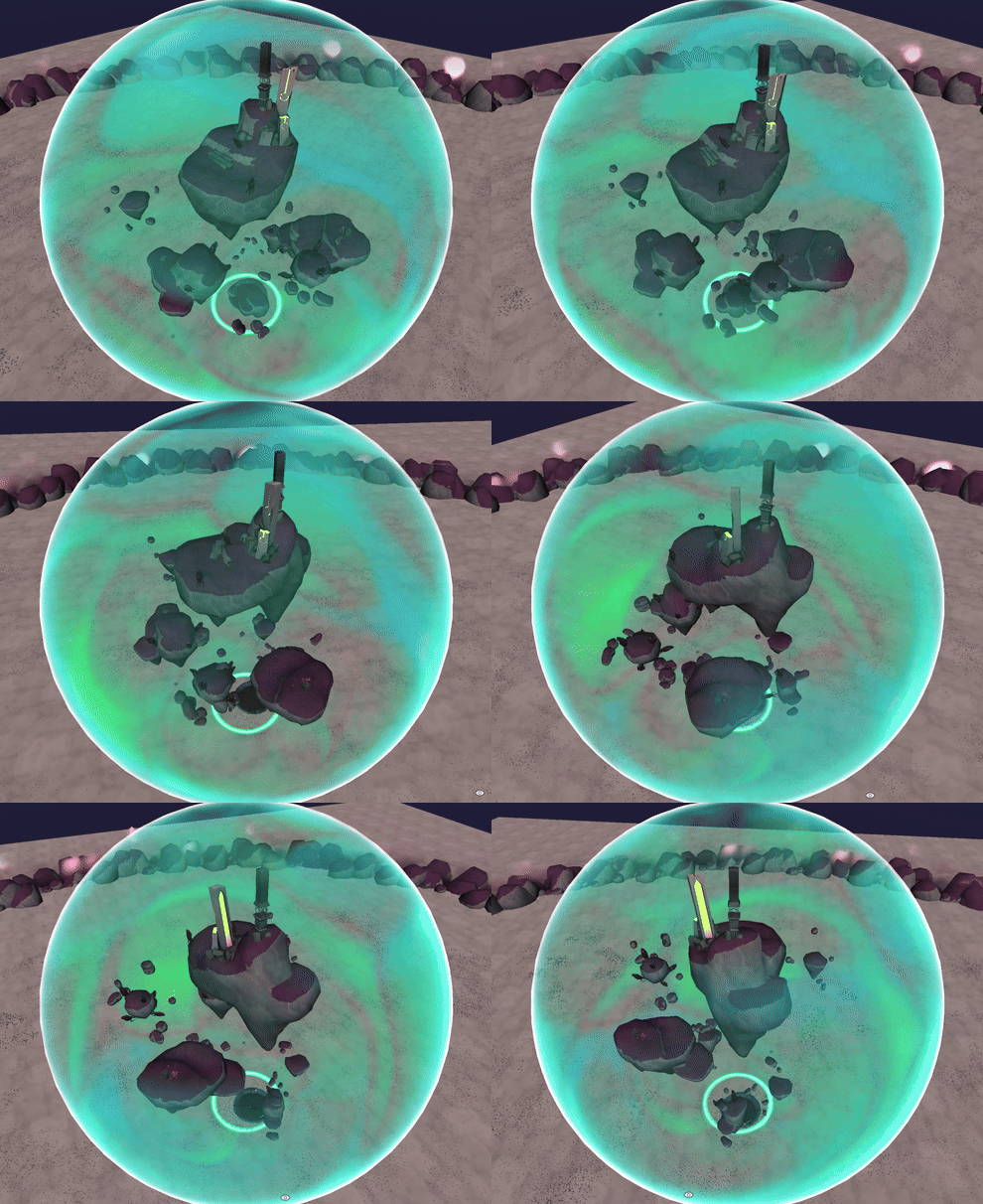
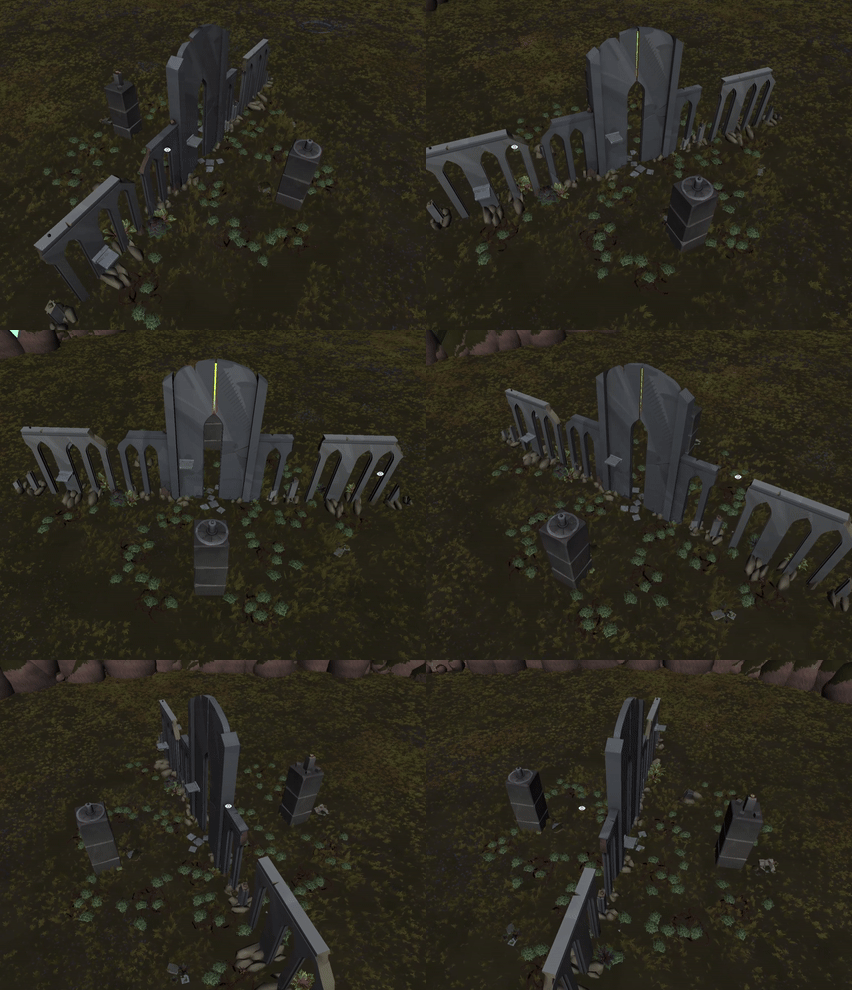
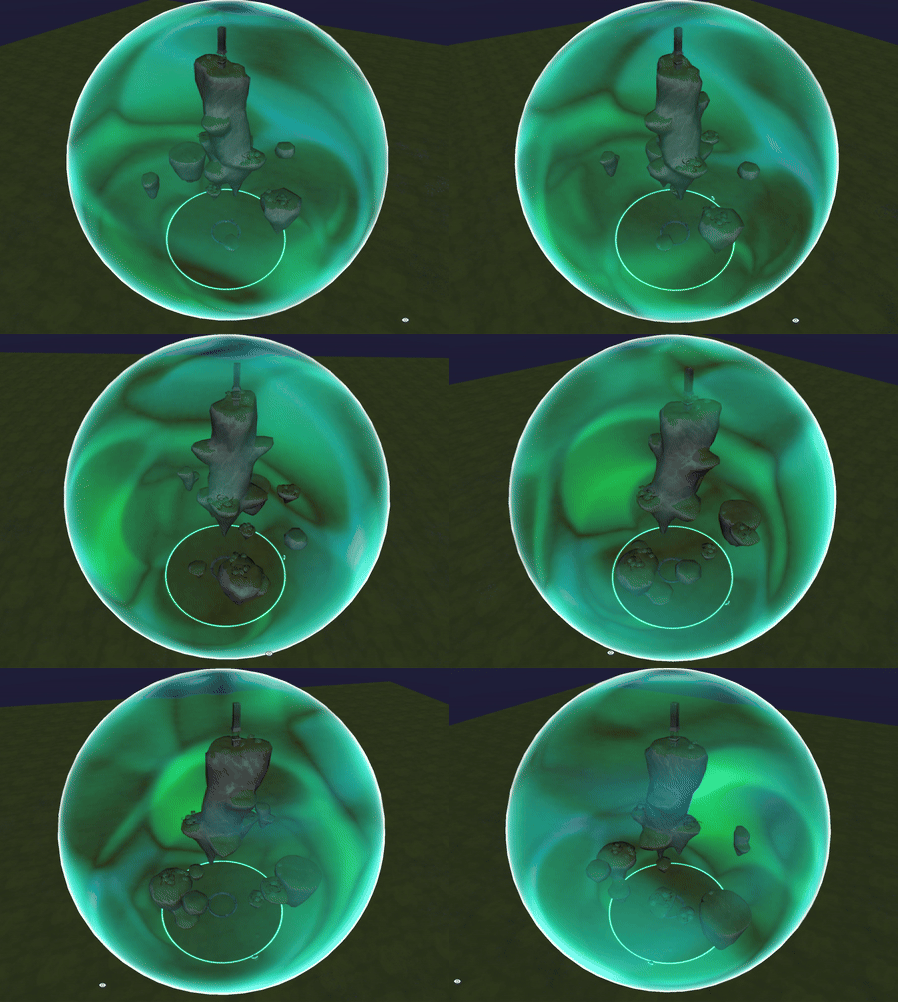
The purpose of these Points of Interest was to contain rare artifacts, which players could obtain by overcoming a challenge involving cooperation, puzzles, or platforming.
The architecture of the structures had to fit the game's universe, based on its story and environment.
In total with all the variants, I created 17 unique POIs, each with 3 difficulty levels.

Procedural Generation
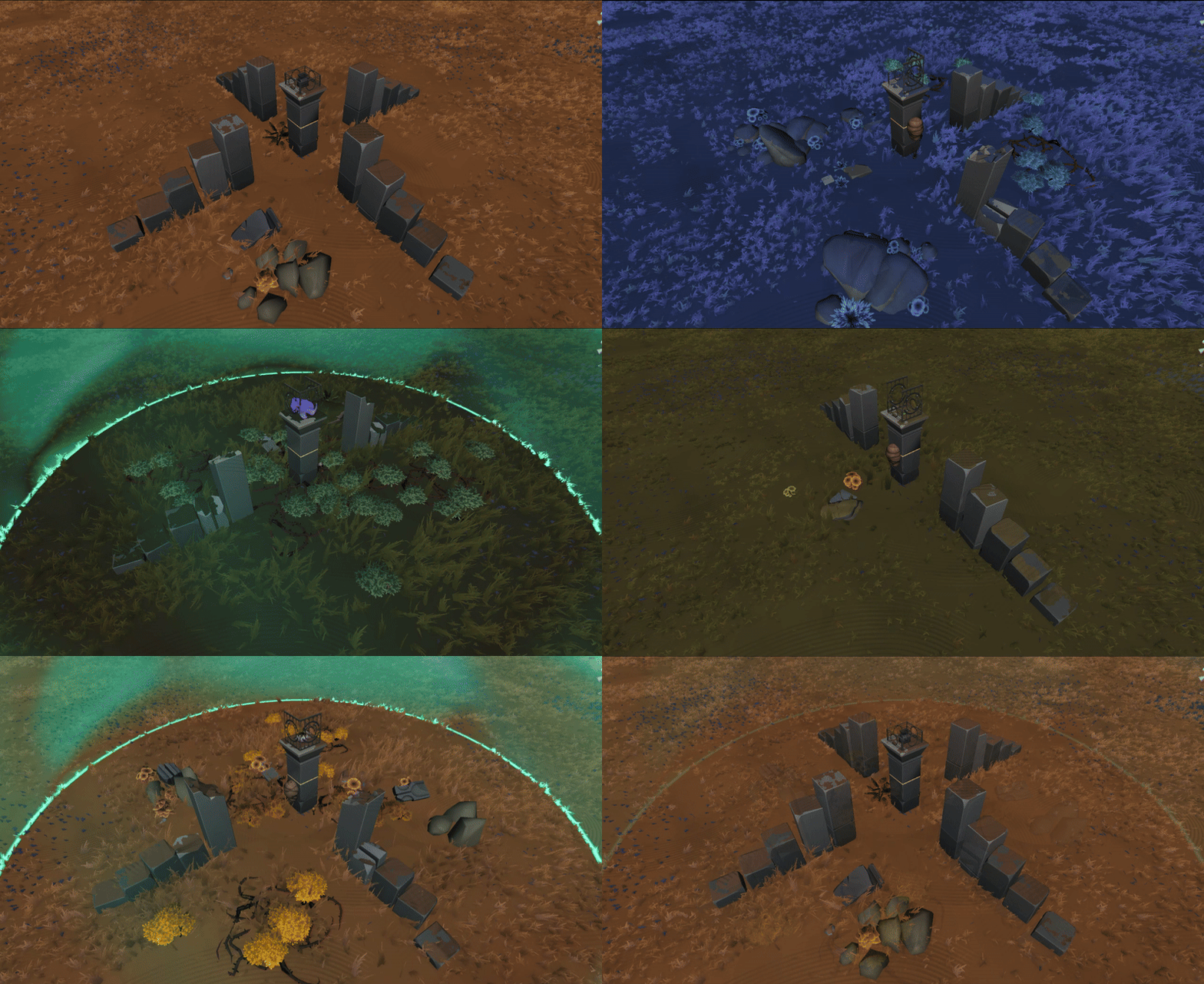
Each structure is generated using procedural logic, creating a large number of unique structures for each type and variant.
Variety is achieved by spawning multiple elemets around the base structure, which combine and complement each other (for example, roots with stairs, roots with wasps, etc.).
Those elements can be: flora, fauna, small structures, cages, artifacts, anomalies, and decor.
The goal is to make each dimension feel different and unique, with a varied and limitless gameplay potential.


The procedural logic works through a system of colored zones and layers.
A structure contains several colored zones in which different elemets can spawn. Each type of object has its own layer priority.
For example, if a layer 1 root spawns in the red zone, then a layer 2 decor cannot spawn in the same red zone.
Procedural Logic

Level of Difficulty


Each POI variant has 3 difficulty levels: Easy, Medium, Hard. The difficulty increases by adding more challenging elements: more enemies, difficult anomalies, and less accessible artifacts. I had to work on all 3 difficulty levels simultaneously when configuring the procedural logic in order to balance and adapt the difficulty.

Steps of Production
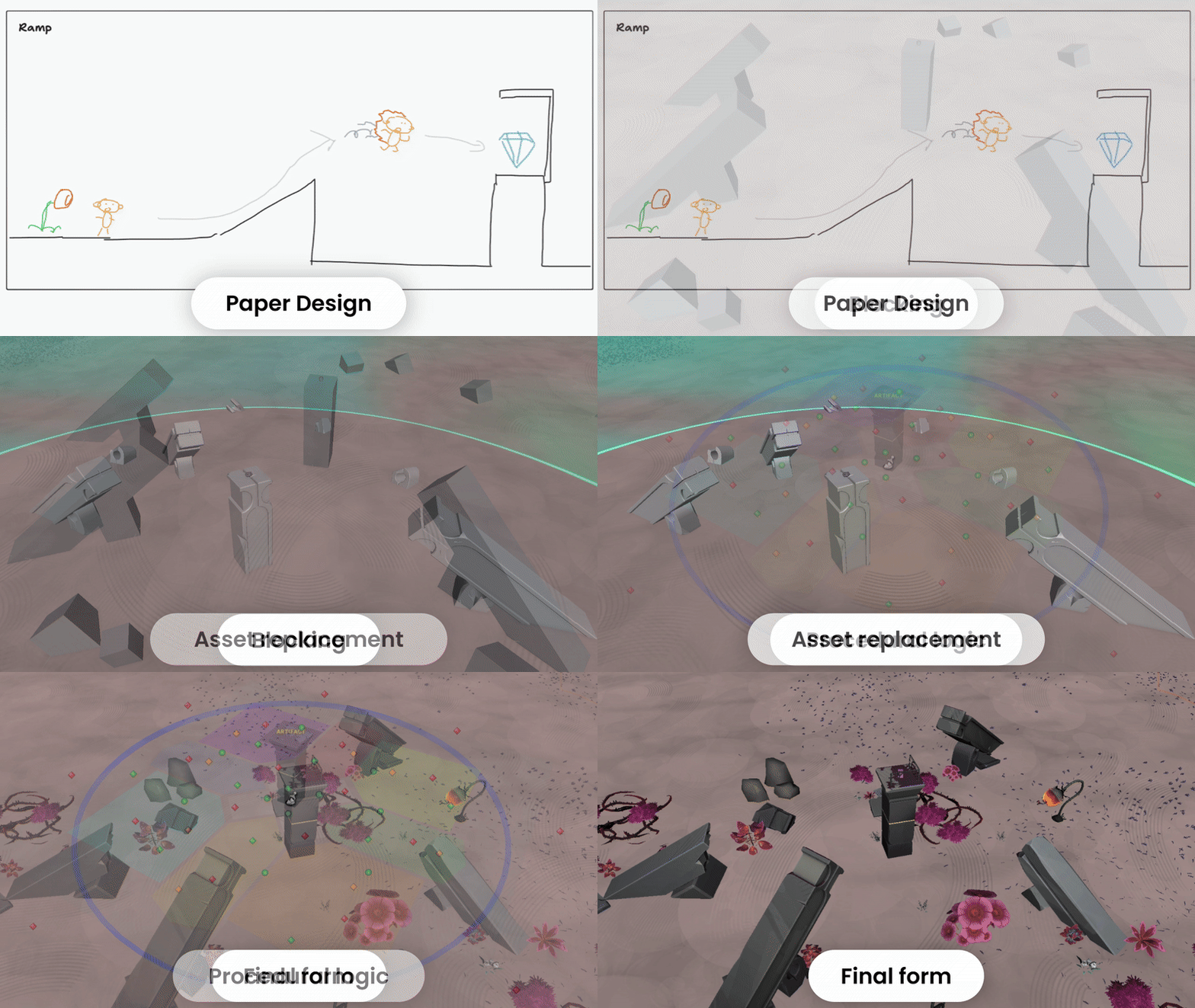
I created all the POIs, going through every steps of the production process:
1) Paper Design: Researching ideas and brainstorming based on the game's existing mechanics.
2) Blockout: Creating the gameplay situations in Unity, going through numerous iterations and playtests to achieve the desired gameplay experience.
3) Procedural Generation: Adding and configuring the procedural generation tools, introducing variation through traps, enemies, structures, anomalies, and environmental elements.
4) Difficulty Levels: Creating 3 difficulty levels by adjusting the procedural generation parameters to make the POIs increasingly more challenging.
5) Playtests: Regularly testing the POIs to balance them and improve the overall experience.
6) Dressing: Collaborating with the artists, providing blockout metrics, and replacing the old assets with the new ones.
7) Polish: Refining all the elements and integrating the POIs into the dimension generation pool.
Steps
Final Result
Game Design


I was also involved as an Assistant Game Designer.
I had several smaller tasks, such as designing and documenting the game's different systems.
I regularly participated in playtest sessions and brainstorming meetings, where I contributed and proposed my own design ideas and solutions.
I also created some small prototypes of systems in C# while waiting for the programmers to work on them.
UI Design

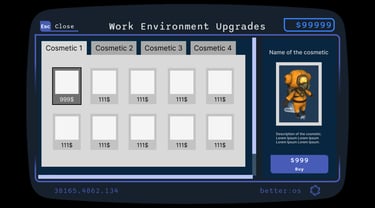
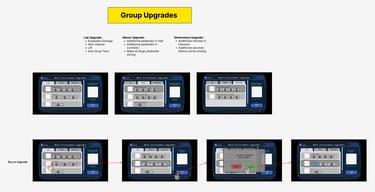


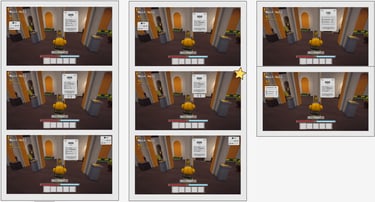
I worked on UI Design, creating several UI mockups for the game's different systems using Figma.
I created:
The cosmetics shop interface
The character upgrade shop interface
The hub upgrade shop interface
The player's inventory HUD
The pedestal HUD displaying information about artifacts
The HUD for the dimension timer
I went through many iterations and after receiving approval from the Game Director, I created documentation explaining how UI systems work.
QA Tests


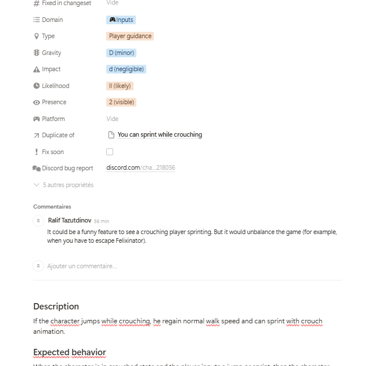
I looked for the bugs and those reported by players.
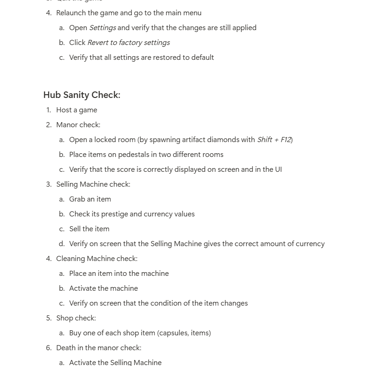
I reported bug I encountered while following the established QA process. Each bug had to be documented in English, including the description, expected behavior, steps to reproduce and reference images. I also assigned a priority to each bug based on its type, gravity, impact, likehood, and presence.
I also wrote several QA testing protocols to ensure effective tests after each new update.

Gameplay

Studio